Specialist Eyelid Surgery for Droopy Eyelids
If droopy eyelids are affecting your vision or confidence, we offer clinically guided eyelid surgery solutions tailored to your needs, delivered with compassion, clarity, and expertise.

If droopy eyelids are affecting your vision or confidence, we offer clinically guided eyelid surgery solutions tailored to your needs, delivered with compassion, clarity, and expertise.






With over 230,000 treatments performed since 2004, our specialists have set the standard for medical aesthetics in the East Midlands, and transformed thousands of lives with medical precision, compassion, and long-lasting aesthetic results.

Unlike high-street salons, we are a doctor-led, CQC-registered facility staffed by experienced consultants, offering a depth of expertise, technology and a patient-led approach you simply won’t find elsewhere.

From subtle tweaks and advanced Lasers to Radiosurgery, BodyTite, and Facelifts, we don't just offer treatments, we do our utmost to do what is in each patients best interests by offering clinically proven technologies to achieve natural, beautiful outcomes.

Start with a fully confidential consultation where our experts listen, assess, and design a treatment plan just for you.

Experience precision-led treatments delivered by qualified specialists using the latest aesthetic technologies.

Feel empowered and refreshed with beautiful, natural-looking results that elevate how you look - and how you feel.
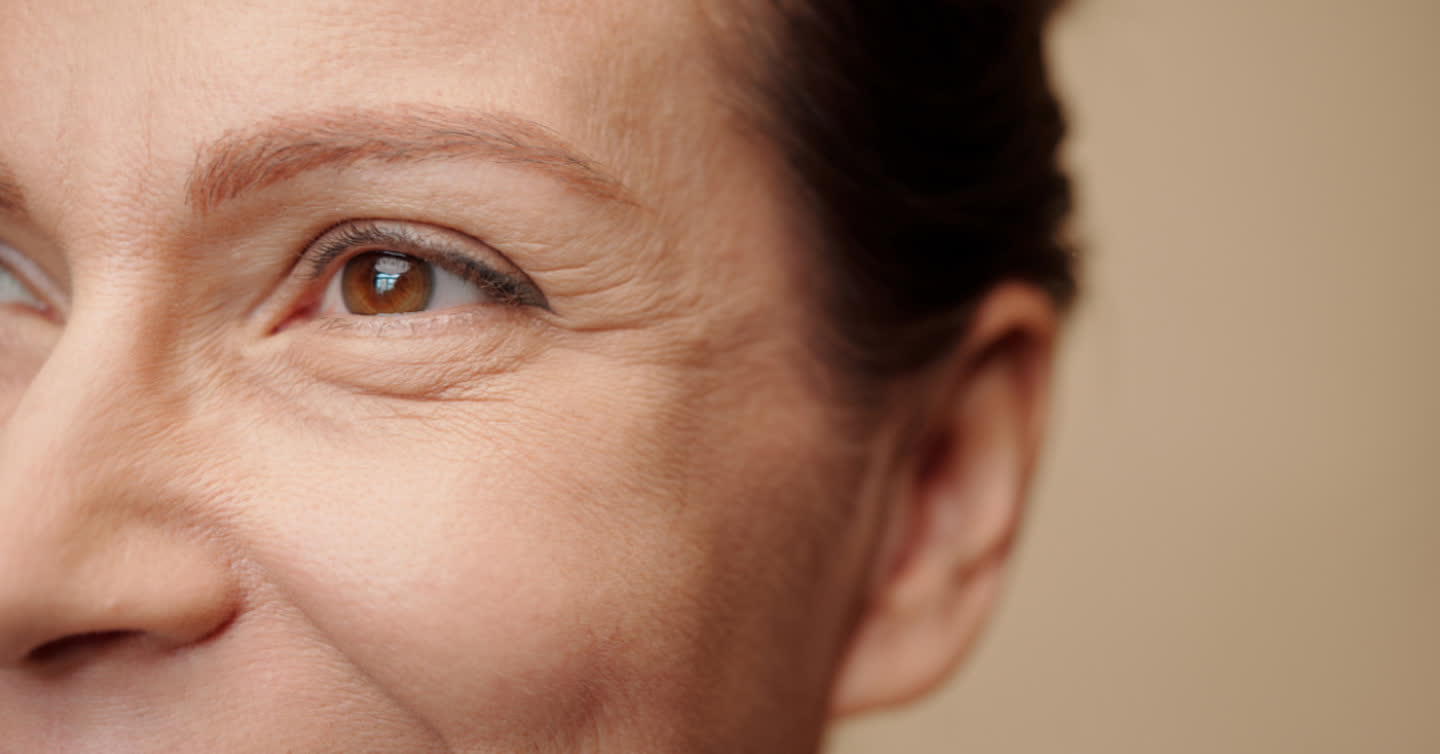
Droopy eyelids, or ptosis, can be caused by ageing, weakened muscles, nerve issues, or may be present from birth. A professional assessment will help determine the underlying cause.
If your upper eyelids are affecting your vision, causing discomfort, or impacting your appearance, a consultation can help you explore appropriate treatment options.
Eyelid surgery usually involves removing or repositioning tissue to lift the eyelid. It’s typically performed under local anaesthetic, with minimal downtime for most patients.
As with any surgery, there are some risks—such as bruising, swelling, or temporary discomfort. We’ll explain these fully during your consultation so you can make an informed choice.
Most people return to their usual activities within 1–2 weeks. We'll provide you with detailed aftercare instructions to support a smooth and comfortable recovery.